
Smart Grocery Shopping: Cut Costs Without Compromise
Master the art of frugal grocery shopping with proven meal planning strategies, coupon techniques, and insider tips to reduce your food expenses by 30-40% monthly while maintaining nutrition and quality.
The Foundation: Planning Before You Shop
Your grocery savings journey starts at home, not in the store
The most expensive grocery trips are the ones made without a plan. Canadians spend an average of $200-300 per week on groceries, yet studies show that 30-40% of this spending goes to impulse purchases and food waste. The difference between casual shoppers and savvy savers? Organization and intention.
Before stepping foot in a store, invest 15 minutes in meal planning. This single habit eliminates decision fatigue at checkout and prevents you from purchasing items you don't actually need. When you know exactly what meals you'll prepare for the week, you shop with purpose and precision.
Weekly Meal Planning Steps
- Review your family's schedule for the week
- Select 5-7 simple recipes you enjoy
- Check your pantry for ingredients already on hand
- Create a detailed shopping list organized by store layout
- Set a realistic budget and track it in real-time
Pro tip: Plan meals around what's on sale that week. Check your grocery store's flyer before planning—this small adjustment can save $30-50 weekly without sacrificing meal quality or variety.
Strategic Shopping: Where Smart Money Gets Spent

Shopping smarter isn't about buying the cheapest items—it's about maximizing value. Every dollar spent should deliver genuine benefit to your household. This means understanding unit prices, recognizing quality indicators, and knowing when to splurge versus when to substitute.
Master These Three Strategies
1
Buy Private Label Strategically
Store brands save 20-40% compared to name brands while maintaining comparable quality. Focus on staples: milk, eggs, canned goods, and basics. Reserve premium brands for items where quality noticeably matters to your family.
2
Compare Unit Prices, Not Package Prices
Always check the unit price (per kilogram or per 100g) displayed on shelf tags. Bulk purchases aren't always cheaper—sometimes smaller packages offer better value. This 30-second habit catches hundreds in annual savings.
3
Shop Sales Cycles, Not Whims
Grocery stores cycle sales on different products every 6-8 weeks. Stock up on non-perishables when prices drop. Chicken is often on sale in fall, ground beef in summer. Knowing these patterns saves hundreds annually.
Never shop hungry or tired. These emotional states increase impulse purchases by up to 60%. Shop at consistent times, preferably mid-week when stores are quieter and you can make deliberate choices without rushing.
Digital Coupons & Loyalty Programs: Passive Savings
Maximize rewards without the scissor work
The era of paper coupons is fading. Modern grocery savings come through digital loyalty programs, app-based discounts, and strategic store memberships. These programs track your purchases and offer personalized deals, often saving loyal customers 15-25% on their total bill.
Download Store Apps
Most Canadian grocers offer apps with exclusive digital coupons. Load them to your digital card before shopping. No clipping required—savings happen automatically at checkout.
Optimize Loyalty Points
Enroll in loyalty programs at stores you frequent. Accumulate points faster by purchasing items on sale. Redeem points for discounts or bonus multiplier events (typically 2-3 times per year).
Track Digital Receipts
Many apps store digital receipts and highlight items with personalized offers for next visit. This data helps you spot patterns and identify your best savings opportunities.
Plan Around Double Points Days
Loyalty programs announce bonus point events monthly. Align major shopping trips with these promotions to earn rewards 2-4 times faster, translating to immediate discounts.
Avoid These Common Mistakes
- Don't chase coupons for items you don't need — Saving $2 on something you wouldn't buy anyway costs you money
- Avoid store cards with annual fees — Unless rewards exceed the fee, they're not worth it
- Don't buy in bulk if items expire before use — Waste eliminates any savings achieved
- Skip convenience premium items — Pre-cut vegetables, bottled water, and convenience foods cost 40-60% more
Eating Well on Less: Budget-Friendly Nutrition
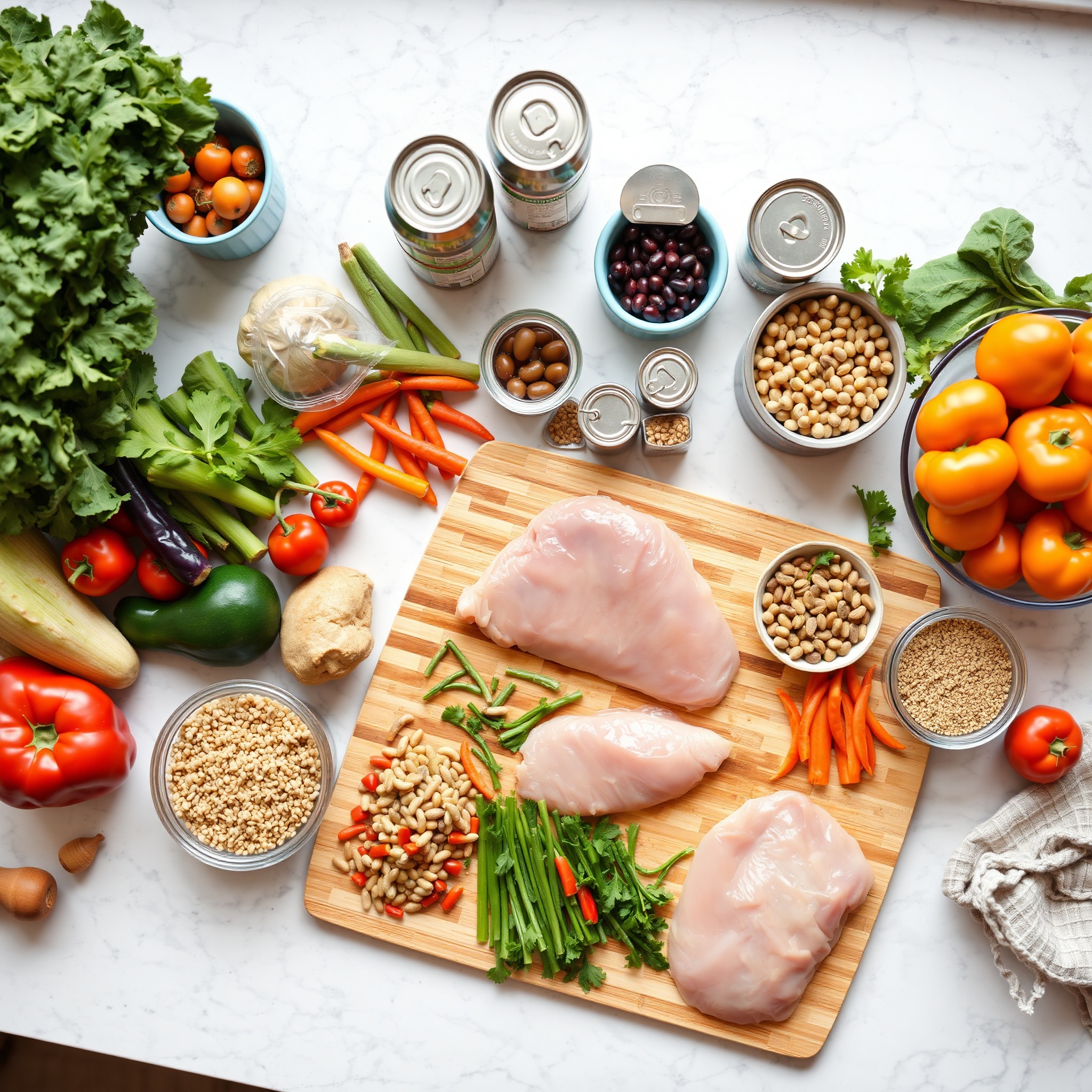
The biggest myth about frugal grocery shopping: you can't eat nutritiously on a budget. False. Budget-conscious shoppers often eat better than average—they plan meals, cook from scratch, and make intentional choices about nutrition.
The Most Cost-Effective Proteins
Eggs
$0.25-0.40 per serving
Complete protein, versatile, stores well for 3-4 weeks
Dried Beans & Lentils
$0.15-0.30 per serving
Cheapest protein source, high fiber, shelf-stable for months
Chicken Thighs
$0.50-0.75 per serving
Fattier than breasts, more flavorful, 30% cheaper on average
Canned Fish
$0.40-0.70 per serving
Omega-3 rich, long shelf life, ready-to-eat convenience
Buy proteins in bulk when on sale and freeze for later. A freezer is your secret weapon—it lets you purchase strategically and maintain variety without daily shopping. Whole chickens cost 30% less than parts and provide stock for soups and sauces.
Seasonal Produce Strategy
Seasonal fruits and vegetables cost 40-60% less than out-of-season options. In Canada, summer offers strawberries, tomatoes, and corn at peak affordability. Fall brings apples and squash. Winter: carrots, cabbage, and potatoes (excellent storage). Spring: asparagus and greens. Buy what's in season, freeze what you won't use immediately, and plan recipes around availability.
Combat Food Waste: The Hidden Savings Opportunity
The average Canadian household throws away $2,300 worth of food annually. That's not a grocery budget problem—it's an organization and planning problem. Reducing waste by just 50% creates massive savings without buying anything differently.
1 Store Strategically
Keep older items visible. Use the "first in, first out" method. Designate a shelf for items expiring soon and plan meals around them. Store produce in appropriate conditions (some needs cool darkness, others need ventilation).
2 Prep Smart
Pre-cut vegetables lose moisture faster but pre-portioning reduces waste because you're more likely to use them. Store cut vegetables in airtight containers with paper towels to absorb excess moisture.
3 Freeze Everything
Bread, berries, herbs, vegetable scraps, leftover sauces—nearly everything freezes successfully. Create a "scrap bag" in your freezer for vegetable trimmings, then use them for homemade stock.
4 Master "Ugly" Produce
Misshapen fruits and vegetables are identical nutritionally and taste-wise. Buy them—they're often 20-30% cheaper. Perfect for soups, smoothies, and cooking where appearance doesn't matter.
Real Savings Example
Family of four spending $1,000/month on groceries wastes approximately $330 annually. Reducing waste by 50% ($165) through smart storage, freezing, and meal planning = immediate savings without diet changes. Over five years: $825 saved.
Your 30-Day Smart Shopping Challenge
Ready to cut 30-40% from your grocery budget? Start immediately with this actionable plan. These aren't restrictions—they're strategic choices that maintain quality while reducing waste.
Week 1: Foundation
- Download loyalty apps for stores you frequent
- Review past receipts to identify spending patterns
- Plan 7 meals based on sales flyers
- Create organized shopping list by store layout
Week 2: Execution
- Shop with list, no deviations
- Load all digital coupons before checkout
- Compare unit prices on 5+ items
- Buy proteins on sale, freeze for later
Week 3: Optimization
- Meal prep Sunday—prepare proteins and cut vegetables
- Implement FIFO (first in, first out) system
- Identify your top 3 budget proteins
- Research seasonal produce for next week
Week 4: Assessment
- Review receipts—calculate total savings vs. baseline
- Track waste—aim for less than 10% of purchases
- Identify successful strategies to maintain
- Plan next month's improvements
The Bottom Line: Smart grocery shopping isn't about deprivation—it's about intention. You'll eat better, waste less, and save hundreds monthly. These strategies compound: year one saves $2,000-3,000; year two and beyond, savings become automatic habits requiring minimal mental effort.