Reduce Utility Bills: Energy Efficiency Hacks
Discover practical, science-backed strategies to lower your heating, electricity, and water bills. Learn behavioral changes and smart investments that pay for themselves within months, saving you thousands annually across heating, cooling, and everyday energy consumption.
Understanding Your Utility Bills
Most Canadian households spend between $1,500–$2,500 annually on utilities, with heating accounting for roughly 60% of total energy costs. Understanding where your money goes is the first step toward meaningful savings. The average home wastes 20–30% of its energy due to poor insulation, air leaks, and inefficient habits.
By implementing simple changes today, you can realistically reduce your bills by 15–25% within the first year. These aren't drastic lifestyle changes—they're smart, practical adjustments that improve comfort while cutting costs.
- Heating and cooling account for approximately 60% of residential energy use in Canada
- Water heating represents the second-largest energy expense at 15–20% of total consumption
- Lighting and appliances combined use 15–25% of household energy
- Air leaks around windows, doors, and foundations can waste 10–15% of heated air
- Proper maintenance of HVAC systems can improve efficiency by up to 15%
Optimize Heating & Cooling
Heating and cooling represent your largest energy expense. Strategic adjustments here yield the biggest savings with minimal effort. Start by addressing air leaks, which are responsible for 15–20% of energy loss in older homes.
Programmable thermostats are game-changers. By lowering your thermostat by just 2°C for 8 hours daily, you save approximately $10–15 monthly. That's $120–180 per year from a single habit change. During winter, setting your thermostat to 68°F (20°C) when home and 62°F (17°C) at night or away is optimal.
Quick Heating Wins
- Seal air leaks around windows, doors, and electrical outlets with weatherstripping or caulk
- Install a programmable thermostat (saves $10–20/month)
- Use ceiling fans in reverse during winter to push warm air downward
- Keep vents clear and ensure furniture isn't blocking air circulation
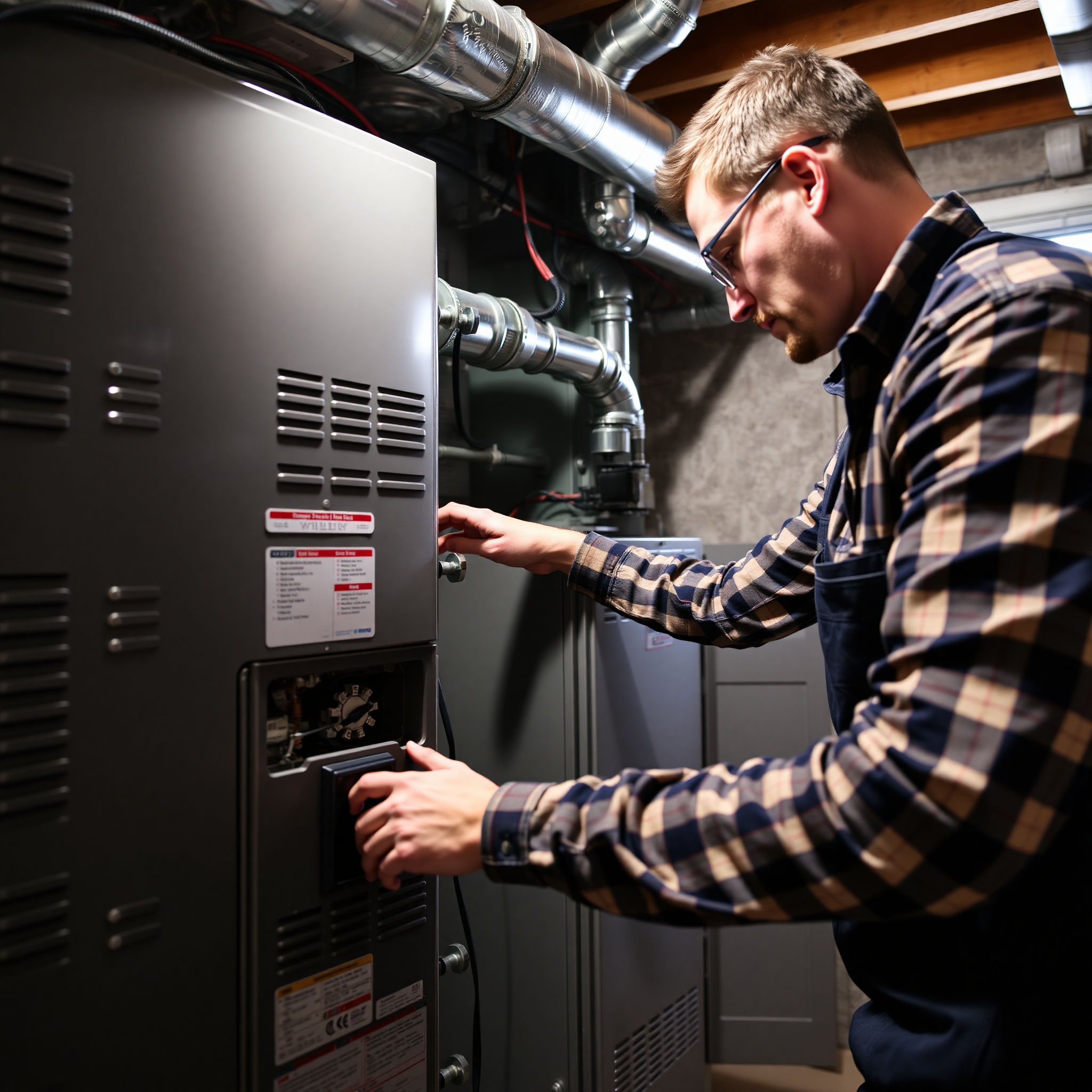
- Have your furnace professionally serviced annually (improves efficiency by 10–15%)
- Close doors to unused rooms and lower their thermostat settings
Master Water Heating & Conservation
Water heating is your second-largest expense, consuming 15–20% of household energy. Hot water usage directly impacts your bill, and small behavioral changes compound into significant savings. A family of four can reduce water heating costs by $200–300 annually through smart practices.
Lower Water Heater Temperature
Set your water heater to 120°F (49°C) instead of 140°F (60°C). This prevents scalding, extends equipment life, and saves $4–8 monthly—$50–100 yearly—without sacrificing comfort.
Install Low-Flow Showerheads
Modern low-flow showerheads (1.5–2 GPM) cut water usage by 40% while maintaining pressure. At $15–25 per unit, they pay for themselves in 3–4 months, saving $100–150 annually per bathroom.
Insulate Pipes & Tank
Pipe insulation ($10–20) reduces heat loss by 24–45%. A water heater blanket ($30–50) prevents standby heat loss, collectively saving $150–200 yearly with a one-time investment.
Fix Leaks Immediately
A single dripping hot water tap wastes 10–20 gallons daily. Fixing one leak saves $30–50 monthly. Check toilets, faucets, and shower valves quarterly for silent leaks.
Reduce Electricity Consumption
Lighting and appliances account for 20–30% of residential electricity use. Strategic upgrades and behavior changes cut this dramatically. LED bulbs, for example, use 75% less energy than incandescent bulbs and last 25,000+ hours, providing exceptional ROI.
Phantom power—energy drawn by devices in standby mode—costs the average household $5–10 monthly. Power strips eliminate this waste by cutting power completely when devices aren't in use. Smart power management alone can reduce electricity bills by 5–10%.
Electricity Reduction Strategy
- Replace all incandescent and CFL bulbs with LEDs (saves $15–20/month on lighting)
- Use power strips for entertainment centers, office setups, and kitchen appliances
- Run dishwasher and laundry with full loads only (saves $10–15/month)
- Unplug phone chargers, coffee makers, and devices when not actively in use
- Use cold water for laundry when possible (90% of washing machine energy heats water)
- Set refrigerator to 37–40°F and freezer to 0°F—colder uses more energy unnecessarily
- Use natural light during daytime; open blinds instead of turning on lights
- Upgrade to Energy Star-certified appliances when replacements are needed
Smart Investments That Pay for Themselves
Some upgrades require upfront investment but deliver impressive long-term returns. Strategic improvements not only reduce bills but also increase home value and improve comfort. Here are the highest-ROI investments for Canadian homeowners:
Programmable Thermostat
Cost: $150–300 | Payback: 1–2 years | Annual savings: $150–240. Smart thermostats learn your patterns and optimize heating/cooling automatically.
ROI: 50–100% Year 1
Window & Door Weatherstripping
Cost: $50–200 | Payback: 3–6 months | Annual savings: $100–300. Eliminates drafts and reduces heat loss significantly without major renovation.
ROI: 200–400% Year 1
Low-Flow Showerheads & Aerators
Cost: $40–100 | Payback: 4–6 months | Annual savings: $100–200. Reduces both water consumption and heating costs simultaneously.
ROI: 150–300% Year 1
LED Lighting Retrofit
Cost: $200–400 (whole house) | Payback: 2–3 years | Annual savings: $100–200. Lasts 25 times longer than incandescent, minimal maintenance.
ROI: 50–75% Year 1
Attic Insulation
Cost: $1,500–3,000 | Payback: 5–10 years | Annual savings: $300–600. Heat rises—proper attic insulation prevents 25–30% of winter heat loss.
ROI: 20–40% Year 1
Solar Water Heater (or Heat Pump)
Cost: $3,000–8,000 (with rebates) | Payback: 7–12 years | Annual savings: $400–800. Qualifies for federal/provincial rebates, reducing net cost significantly.
ROI: 10–20% Year 1
Start Saving Today
Reducing utility bills doesn't require drastic lifestyle changes—it requires smart decisions and consistent habits. Begin with low-cost behavioral adjustments (thermostat management, air leak sealing, LED bulbs), which deliver 15–25% savings immediately. Then, as your budget allows, invest in higher-ROI upgrades like programmable thermostats and improved insulation.
Canadian homeowners who implement these strategies comprehensively save $1,500–3,000 annually while improving home comfort and reducing environmental impact. The combination of immediate behavioral changes and strategic investments creates a sustainable path to long-term savings.